

Clarity and accountability in social work supervision
Supervision is one of the most familiar milestones on the path to independent social work practice. But a recent workshop for social work regulators at the 2026 ASWB Education Meeting made it clear that even familiar systems can raise complicated questions: Who is qualified to provide supervision? What exactly does a supervisor’s signature mean? How should regulators evaluate the quality of supervision? And how can the profession improve access to supervision without weakening public protection?
The workshop, led by Dale Atkinson, JD, a regulatory attorney and ASWB’s legal counsel, and Evan Seiden, LCSW, Executive Secretary, New York State Board for Social Work and State Board for Mental Health Practitioners, invited social work regulators to examine the risk issues and questions created when key elements of the supervision process are undefined. Atkinson framed the session as an exercise in surfacing the hard questions rather than resolving them neatly, calling on attendees to “identify at least one risk issue or question that … is relevant and present as a result of undefined supervised practice.”
For practicing social workers, the message is practical: Do not treat supervision as a passive requirement. Ask early about expectations, documentation, feedback, remediation, and what the supervisor’s final signature will mean in your state or province.
Supervisor qualifications vary widely.
One of the clearest takeaways was that “supervision” does not mean the same thing everywhere. Some states and provinces have formal supervisor credentials, courses, experience requirements, or approval processes; others rely more heavily on a licensee’s professional obligation to practice within their competence.
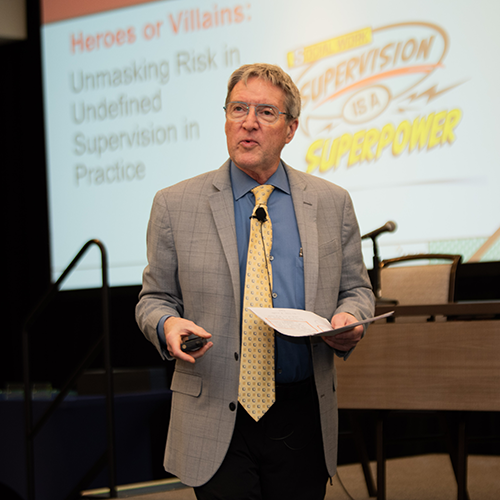
A regulator from the Alberta College of Social Workers described a rigorous approved process for clinical supervisors in his province, noting that applicants must show supervision coursework, experience, ethics, and years in the field, in addition to undergoing review by an adjudication committee.
By contrast, Seiden explained that in New York, “you get your [clinical license], you could be a supervisor the next day,” while also emphasizing that competence requirements still apply. While it may be possible for a clinical social worker to start offering supervision immediately after becoming licensed, doing so would raise questions about that social worker’s ability to provide adequate supervision.
A signature may verify hours of supervision, but does it signify readiness for licensure?
For practicing social workers, one practical question stood out: When a supervisor signs a form, what exactly are they saying? In some places, the signature may verify that hours were completed. In others, it may also function as a recommendation for licensure.
One participant put the distinction plainly: “It’s one thing to sign off that they did the hours. It’s another thing to recommend them for licensure.”
That distinction can have real consequences. One regulator described cases where supervision logs were signed, but supervisors noted concerns or declined to recommend the applicant — yet the applicant was approved because the technical requirements had been met. Another participant described a similar challenge that led the state to revise its verification form, shifting the supervisor’s statement toward confirming compliance with supervisory duties rather than broadly endorsing the applicant.
Quality may be more important than quantity, but it’s often harder for regulators to measure.
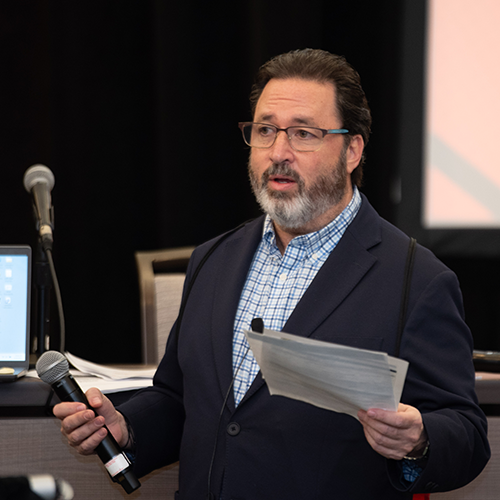
Several participants suggested that social work boards can track hours, forms, reports, and signatures, but those tools do not always show whether supervision has been meaningful. One Arizona participant drew the distinction sharply: “The forms that we fill out are overwhelming and exhausting for board staff, but I think the problem is the quality of [supervision].” The participant added that complaints sometimes reveal supervisees who said they were “afraid to go to my clinical supervisor,” calling that “very problematic.”
Seiden asked the room how regulators could determine the quality of supervision and whether that information should be reported to boards at all. Another participant cautioned that complaint data alone cannot answer the question: “The lack of complaints [about supervision] is not necessarily an indication of quality.”
Supervisors, supervisees, and regulators all share accountability.
The workshop repeatedly returned to accountability. Supervisors hold significant responsibility because they shape the learning environment and often control whether a supervisee can advance. “It’s your responsibility [as a supervisor] to ensure that that supervisee is getting what they need to get,” one participant said, adding that supervision should include space for tough conversations.
But supervisees and regulators also have roles. Regulators should “take on some of that responsibility, too,” said one participant, especially when regulations are open for revision. Atkinson then broadened the question: “How do we hold supervisors, supervisees, and now regulators… accountable for this big process that we’re struggling with?”
For practicing social workers, the message is practical: Do not treat supervision as a passive requirement. Ask early about expectations, documentation, feedback, remediation, and what the supervisor’s final signature will mean in your state or province.
Access, cost, and professional identity are shaping the future of supervision.
The session also highlighted workforce pressures. While supervision is an effective tool for training social workers, the availability of qualified supervisors can be a bottleneck for social workers entering the profession. “Are we going to be able to meet that demand?” one participant asked, citing difficulties for social workers seeking supervision while practicing in rural areas.
Those pressures are prompting some jurisdictions to consider whether professionals from other disciplines should be allowed to supervise social workers. Seiden described proposed New York legislation that would allow certain licensed mental health counselors to supervise LMSWs and asked regulators to consider “the risk of non-social workers supervising social workers.”
Some participants emphasized professional identity and public protection. One regulator said she was comfortable with other professionals making a character or work recommendation, “but not supervision because of the differences in education training and even ethics” among differing professions. Another attendee echoed that point, comparing social work supervision to medical residency: “What we do is specialized, and it’s a specific way of doing things.”
The value of supervision goes beyond accumulating hours.
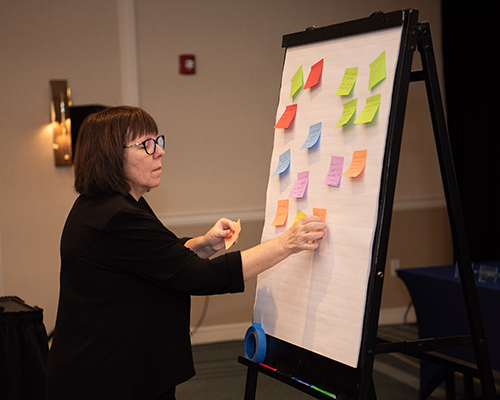
Whether you are seeking supervision, providing it, or shaping regulatory policy, this discussion points to a critical conclusion: supervision is a professional responsibility, a public protection tool, and a formative relationship that deserves clear expectations from the start.
Practicing social workers can take action by reviewing their jurisdiction’s supervision rules, documenting expectations in writing, requesting regular feedback, and asking how concerns will be addressed before the final verification or recommendation stage. Supervisors, meanwhile, should be prepared to explain not only that hours were completed, but how supervision supported competent, ethical, and accountable social work practice.